Expert Fence Repair Services: Restore Your Fence's Beauty and Functionality
Professional fence repair solutions play an essential role in preserving the aesthetic and functional quality of various properties. Fences sustain numerous forms of damage, from deterioration to pest intrusion, which can threaten security and overall property value. Qualified experts examine these problems thoroughly and develop practical repair solutions. Grasping the complexities of fence repair can significantly influence long-term upkeep. What steps should property owners consider when facing these challenges?
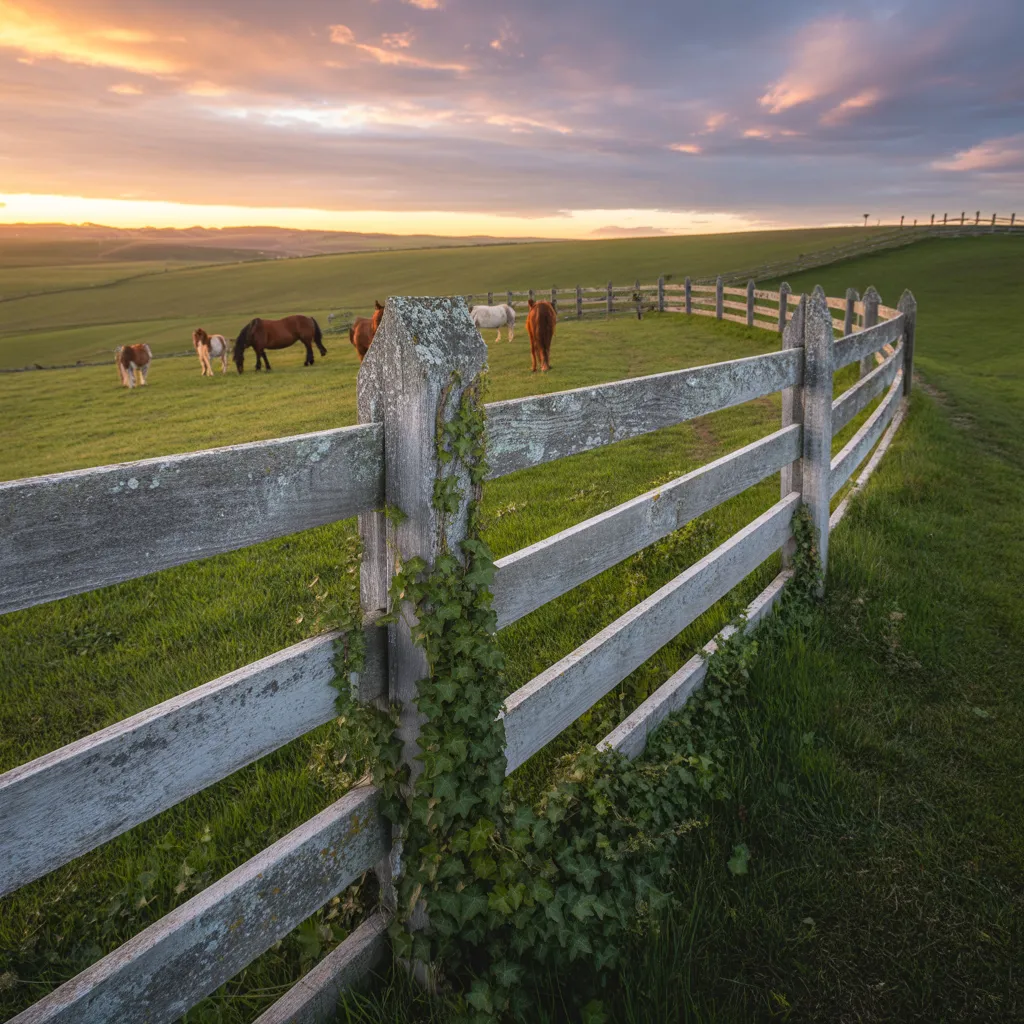
Significance of Fence Repair for Property Value and Safety
Keeping a well-maintained fence is crucial for protecting both the value of a property and the safety of its occupants. A sturdy and aesthetically pleasing fence enhances the overall appeal of a property, raising its appeal to those looking to purchase. An intact fence delineates boundaries, offering peace of mind and protection for both homeowners and their animals. Neglecting fence repair can lead to deterioration, potentially lowering property value while raising the likelihood of safety hazards.
Additionally, a damaged fence can encourage intruders and wild animals, posing potential safety hazards. Timely repairs can prevent further complications, guaranteeing the fence performs its function as designed. Regular maintenance also extends the lifespan of the fence, allowing property owners to cut down on future expenses. Ultimately, prioritizing fence repair not only protects the physical structure but also contributes to the overall safety and aesthetic integrity of the property.
Typical Forms of Fence Damage and What Causes Them
Fences are frequently damaged by a range of environmental and biological causes. Weather-related problems, like heavy rainfall, snow, or extreme temperatures, are capable of deteriorating materials and causing structural damage. Additionally, pest invasions can undermine the stability of a fence, necessitating timely repairs to maintain safety and aesthetics.
Weather-Related Damage Factors
Severe weather conditions can substantially impact the integrity of fences, leading to different kinds of damage. Strong winds often cause panels to bend or break, while excessive rainfall can lead to waterlogged soil that compromises the fence's foundation. The buildup of snow can add weight, causing damage or structural failure, especially in timber fences. Additionally, extreme temperatures can cause materials to expand or contract, leading to cracks and warping. Direct sunlight and UV rays can deteriorate paint and weaken materials over time. These environmental influences not only affect the appearance of a fence but also its structural efficiency, making timely repairs essential to guarantee durability and copyright the value of your property. Periodic assessments can help uncover developing concerns before they worsen.
Pest Infestation Concerns
Pest invasions can gradually deteriorate the structural soundness of a fence, leading to significant damage over time. Frequent offenders include termites, which attack wooden structures, creating structural weakness and ultimately leading to a collapse. Carpenter ants, equally damaging, excavate wood to create nests, further compromising the fence's stability. Moreover, rodents may damage fencing materials, seeking shelter or food. Such infestations frequently remain undetected until significant harm has occurred, requiring costly replacements or repairs. Regular inspections and prompt treatment are essential to mitigate these risks. By tackling pest concerns promptly, homeowners can protect the beauty and functionality of their fences while stopping long-term damage caused by these destructive pests.
How to Recognize Fence Damage
A comprehensive evaluation can identify numerous evidence of damage to the fence that may not be immediately noticeable. Property owners should begin by examining the support posts for decomposition or decay, commonly discovered at ground level where moisture accumulates. Noticeable cracks or warps in the timber can point to structural weakness. Moreover, examining for absent or unsecured nails and screws is necessary, as such issues can weaken the fence's structure.
One other critical factor is to assess the panels for bending or tilting, which could suggest structural concerns. Metal fences should be checked for oxidation or deterioration, while vinyl fence panels might exhibit color loss or surface cracks. Finally, gaps between the fence and the ground can signal ground erosion or insect damage. Routine checks allow homeowners to catch these concerns before they worsen, allowing for quick resolutions that copyright the structural integrity and visual charm of the fence.
What Do Fence Repair Experts Do?
Fencing repair professionals identify and tackle numerous problems to reinforce and preserve the integrity of fencing structures. They begin by conducting a thorough inspection, locating issues including deteriorating planks, corroded fasteners, or compromised stability. Once the problems are pinpointed, the experts design a personalized maintenance approach that can consist of swapping out compromised components, using sealant applications, or stabilizing weakened structures.
In addition to structural fixes, fence repair experts further extend care recommendations to extend the life of the fence. This may involve guidance on periodic evaluations, proper cleansing, and protection from weather damage and pest infestations. If necessary, they can assist in selecting appropriate materials that complement the current fence design while securing lasting strength. Ultimately, their specialized skills confirm that the fence delivers both visual appeal and reliable functionality, offering both protection and added value to the premises.
Why Should You Hire a Fence Repair Expert?
Why is it important for property owners to engage a professional fence repair technician? Working with a professional can ensure that all repairs are carried out thoroughly and effectively, protecting the structural integrity of the fence. Skilled specialists bring the essential capabilities, instruments, and insight needed to properly assess damage and execute the right solutions. This expertise helps in identifying underlying issues that may not be visible to the untrained eye, preventing future complications.
Moreover, professionals are well-versed in local regulations and can secure proper compliance, minimizing the risk of legal issues. Enlisting a specialist also preserves time; property holders can bypass the unpredictable process typically linked to DIY work. Beyond that, a professionally fixed fence elevates the appearance and value of the property, offering a measurable return on the expenditure. When all is said and done, home owners can experience peace of mind knowing their fence is managed by qualified hands, allowing them to focus on other important aspects of home maintenance.
Is It Better to DIY or Hire a Pro for Fence Repair?
When evaluating fence repair, it is important to assess personal skill levels and the time commitment required for the task. Moreover, a financial comparison between self-managed repairs and working with a professional contractor can greatly influence the decision. Weighing these factors will assist in identifying the most effective solution for fence repair.
Gauge Your Skills Honestly
Deciding whether to handle fence repair independently or read now hire professional help depends on an objective evaluation of your abilities. Individuals must critically examine their experience with tools and experience with fencing materials. Those with a background in home improvement may be comfortable handling basic maintenance, such as swapping out boards or securing nails. However, challenging situations like foundation damage or wiring concerns require expert understanding that may surpass what an inexperienced person can handle. Moreover, gauging physical stamina is vital; fence repair can call for substantial energy. At the end of the day, recognizing personal limitations can prevent costly mistakes and confirm that work reinstates the fence's performance and visual appearance. Choosing wisely will lead to a more satisfying outcome, whether opting for a DIY approach or hiring a professional.
Determine Time Commitment Required
The amount of time available for fence repair plays a significant role in the determination between a DIY method and bringing in a professional. Homeowners should carefully consider their schedules and availability. A do-it-yourself project can appear attractive, but it typically involves a substantial commitment of time, particularly for those without prior experience. Activities including removing old materials, measuring, and installing new sections can be time-consuming. On the other hand, experienced professionals contribute efficiency and know-how, typically wrapping up repairs much more quickly. In evaluating the time involved, people should also consider likely interruptions from weather conditions or unanticipated problems. At the end of the day, a thorough awareness of how much time is on hand can help homeowners identify the most appropriate solution for their fence maintenance and repair needs.
Price Breakdown: DIY vs. Professional
When considering the costs of repairing a fence yourself against working with a professional contractor, homeowners ought to evaluate not only the direct expense but also the value of their time and effort. DIY repairs often seem more affordable upfront, primarily covering material costs. However, homeowners must consider possible errors, which can lead to additional expenses. In contrast, expert contractors may have elevated starting prices, but they deliver expertise, quality workmanship, and a warranty, ensuring lasting results. Understanding the extent of the damage is important; minor repairs may lend themselves to DIY, while major deterioration may necessitate professional intervention. In the end, the conclusion rests on finding equilibrium between current costs and future value and the homeowner's comfort level with DIY tasks.
How to Maintain Your Fence After Repairs
Following the completion of fence repairs, homeowners should focus on proper upkeep to prolong the life of their investment. Regular inspections are vital; looking for loose boards, rust, or evidence of rot can prevent minor issues from escalating. Cleaning the fence periodically with a gentle soap solution aids in eliminating dirt and mildew, maintaining its visual appeal.
Furthermore, applying a sealant or stain for protection every few years will shield the fence material from harsh weather conditions and UV exposure. Homeowners should also ensure that vegetation is trimmed back to avoid overgrowth that could damage the fence.
Adequate drainage is essential; confirming that water does not pool near the base of the fence can prevent harm caused by excess moisture. Finally, maintaining a clear boundary around the fence helps prevent unintentional contact from yard tools or large objects. Following these tips will help maintain the fence's beauty and functionality long after repairs are completed.

Commonly Asked Questions
How Much Time Does a Standard Fence Repair Require?
A typical fence repair generally takes anywhere from a few hours to several days, according to the scope of the damage and the materials required. Weather conditions and other factors may also affect the timeframe.
What Are the Best Materials for Fence Repairs?
Wood, vinyl, and metal stand out as top materials for fence repairs. Each option comes with its own set of benefits: wood enhances visual appeal, vinyl guarantees durability, and metal delivers strength. Selecting the appropriate material relies on individual requirements and environmental conditions.
Am I Able to Paint My Fence After Having It Repaired?
After repairs, painting a fence is entirely feasible and commonly suggested. This enhances aesthetics and provides protection. Making sure the surface is clean and dry before painting is vital for achieving the best adherence and long-lasting results.
Are Repairs Covered by Homeowners Insurance?
Homeowners insurance may cover repairs, subject to the policy conditions and the reason for the damage. It is advisable for homeowners to review their coverage details or speak with their insurance provider to determine repair eligibility.
What Should I Do if My Fence Is Leaning?
When a fence begins to lean, the owner should assess the cause, such as decay or soil erosion. Strengthening the posts or re-leveling may be necessary, and professional help could guarantee a long-lasting solution.